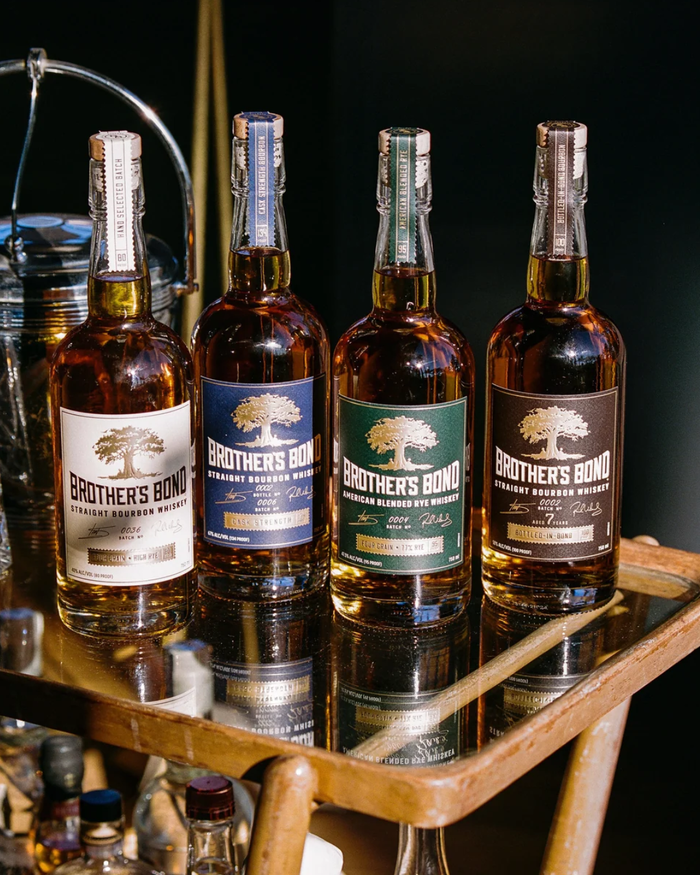
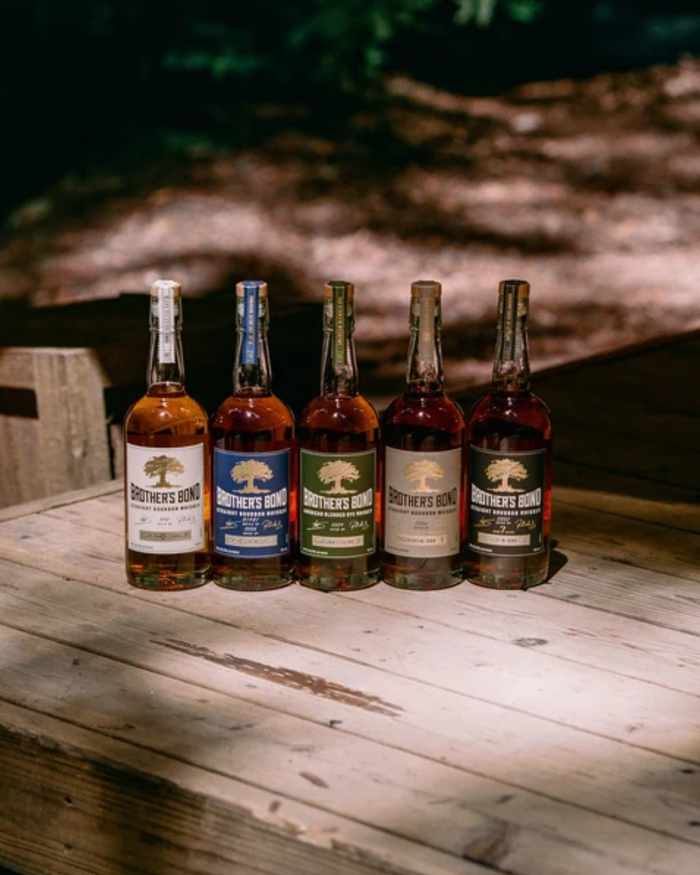
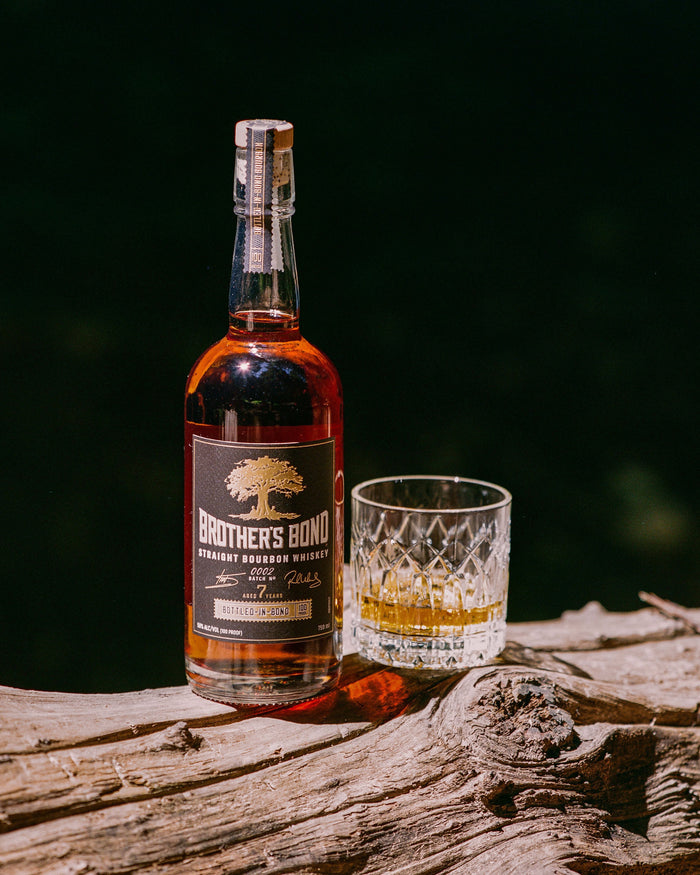
When you taste bourbon, you might notice caramel, spice, toasted oak, or a touch of sweetness. It's easy to think about the barrels responsible for developing those flavors. But the story of bourbon begins long before the whiskey reaches oak.
It begins in the soil.
Every grain of corn, rye, wheat, and barley starts in a field, shaped by the land, the growing season, and the farmers who cultivate it.
At Brother's Bond, we believe that making great bourbon means paying attention to every stage of the process, including where our ingredients come from and how they're grown.
That philosophy is at the heart of our Regenerative Grain Bourbon, an expression that connects our passion for whiskey craftsmanship with a commitment to supporting more responsible agricultural practices.
Because the future of great bourbon begins with the ingredients we grow today.
What Is Bourbon Made Of?
Bourbon begins with three essential ingredients: grain, water, and yeast.
Its grain recipe, known as a mash bill, must contain at least 51% corn. The remaining grains can include rye, wheat, malted barley, and other cereal grains, each contributing different characteristics to the whiskey.
Corn provides a foundation of sweetness, while rye often introduces spice and structure. Wheat can contribute a softer character, and malted barley plays an important role in the whiskey-making process.
The proportions of these grains influence the spirit before it ever enters a barrel.
During production, the grains are cooked, their starches are converted into fermentable sugars, and yeast transforms those sugars into alcohol. Distillation then concentrates and shapes the spirit, which develops further during maturation in oak.
Every decision matters, but it all begins with the quality and character of the grain.
Why Healthy Soil Matters
Grain is an agricultural ingredient, and its quality begins with the conditions in which it grows.
Healthy soil supports plant growth, helps manage water, and provides a living environment for the microorganisms that contribute to agricultural productivity.
For farmers, maintaining soil health is part of protecting the long-term productivity of their land.
Regenerative agriculture takes a thoughtful approach to that responsibility.
Rather than focusing exclusively on the immediate harvest, regenerative farming emphasizes practices intended to support and improve soil health over time.
These may include:
-
Cover cropping: Growing plants between primary crop cycles to help protect the soil and reduce erosion.
-
Reduced soil disturbance: Limiting unnecessary tillage to help maintain soil structure.
-
Crop rotation: Growing different crops over time to support soil diversity and nutrient management.
-
Maintaining living roots: Keeping plants growing in the soil for more of the year to support biological activity.
The specific practices depend on the farm, its climate, soil conditions, and agricultural needs.
Together, these approaches can help farmers build healthier, more resilient agricultural systems.
For a whiskey maker, the connection is straightforward: bourbon depends on grain, and grain depends on the land and the people who grow it.
Brother's Bond's Commitment to Regenerative Agriculture
At Brother's Bond, our interest in regenerative agriculture reflects a belief that the quality of our whiskey and the future of farming are connected.
Founders Ian Somerhalder and Paul Wesley have made supporting regenerative agriculture an important part of the brand's long-term vision.
That commitment extends beyond creating exceptional bourbon. It also includes supporting agricultural practices that prioritize soil health and the farmers who produce the ingredients essential to whiskey-making.
Brother's Bond has committed a portion of proceeds from bottle sales to supporting regenerative farming practices.
In 2024, the brand also began incorporating regeneratively grown grains into select whiskey expressions, bringing its agricultural commitments directly into the production process.
Our Regenerative Grain Bourbon represents an important step in that journey.
Rather than treating grain as simply another ingredient, the expression highlights the relationship between farming, whiskey production, and the choices that shape the finished spirit.
It's a way of recognizing that the story behind a great bourbon begins well before distillation.
From North Carolina Farms to Regenerative Grain Bourbon
Brother's Bond Regenerative Grain Bourbon brings our commitment to regenerative agriculture directly into the glass.
Crafted using regeneratively grown grains sourced from farms approximately 15–20 miles from our distilling partner in Statesville, North Carolina, the expression reflects a close connection between agriculture and whiskey production.
Its mash bill features corn, rye, wheat, and malted barley, combining familiar bourbon grains with a deliberate approach to sourcing.
These grains are mashed, fermented, and distilled before the whiskey begins its maturation in new American white oak barrels.
Aged for approximately five years and bottled at 92 proof, Brother's Bond Regenerative Grain Bourbon is also non-chill filtered, preserving more of the whiskey's natural character and texture.
The expression demonstrates how traditional bourbon-making techniques can work alongside thoughtful agricultural sourcing.
From the farms that grow the grain to the distillery that transforms it into whiskey, each stage contributes to the finished bourbon.
And while regenerative agriculture is central to its origin story, the whiskey must ultimately stand on its own for quality, balance, and flavor.
What Does Regenerative Grain Bourbon Taste Like?
Brother's Bond Regenerative Grain Bourbon offers a distinctive tasting experience shaped by its grain recipe, fermentation, distillation, barrel maturation, and bottling strength.
The whiskey features inviting notes of honeyed cornbread, warm vanilla, and toasted oak, with complementary sweetness and spice.
Its fuller character and layered flavor profile offer another way to explore the relationship between grain selection and bourbon craftsmanship.
But can you actually taste regenerative agriculture?
That's an important distinction.
A farming practice doesn't translate directly into one identifiable flavor note. While the quality and composition of grain can influence whiskey production, the finished flavor develops through a combination of processes, particularly fermentation, distillation, and barrel maturation.
Regeneratively grown grain doesn't automatically mean better-tasting bourbon.
What matters is the care applied throughout the entire process, from agricultural sourcing to the final decisions about aging and bottling.
For Brother's Bond, Regenerative Grain Bourbon brings those considerations together in an expression that reflects both our commitment to craftsmanship and our interest in the agricultural foundation of whiskey.
Can You Taste the Difference Between Grain Recipes?
One of the most enjoyable ways to understand bourbon is to compare expressions made with different grain recipes.
For example, Brother's Bond Original Straight Bourbon is crafted by blending three distinct bourbon mash bills, bringing together corn, rye, wheat, and malted barley to achieve its signature balance.
Regenerative Grain Bourbon uses its own grain recipe, with regeneratively grown ingredients sourced near the North Carolina distillery.
Comparing the two offers an opportunity to explore how different production decisions influence the finished whiskey.
Start by tasting each expression neat.
Notice the aromas, the sweetness or spice on the palate, and how the flavors develop through the finish.
Does one seem softer or sweeter? Does another show more pronounced grain, spice, or toasted oak characteristics?
Keep in mind that differences in flavor don't come from grain alone. Maturation, barrel treatment, fermentation, distillation, and bottling proof all influence the finished spirit.
A side-by-side tasting can't isolate the effect of regenerative farming, but it can help you appreciate the many decisions that shape each bourbon.
For more tips on exploring whiskey, read How to Taste Bourbon Without Being Pretentious.
Why the Future of Bourbon Starts with the Soil
Bourbon has always been connected to American agriculture.
Corn, rye, wheat, and barley are more than ingredients in a recipe. They represent the work of farmers, the productivity of agricultural land, and a supply chain that begins long before a barrel is filled.
As interest in regenerative agriculture grows, whiskey makers have an opportunity to consider how their sourcing decisions relate to the long-term health of that agricultural foundation.
For Brother's Bond, this is an important part of our commitment to building a brand with a lasting legacy.
Regenerative agriculture is not a shortcut to making better whiskey, nor does it replace the craftsmanship required in fermentation, distillation, aging, or blending.
Instead, it represents an opportunity to look at the whiskey-making process more holistically, recognizing that responsible agricultural choices and exceptional craftsmanship can be pursued together.
Our Regenerative Grain Bourbon is one expression of that commitment, bringing the connection between soil, grain, and whiskey to life.
Better Bourbon Starts in the Soil
Every great bourbon begins with a series of decisions.
The grains selected, the way they're grown, the fermentation and distillation processes, and the time spent maturing in oak all help shape what eventually reaches your glass.
At Brother's Bond, we believe that thoughtful craftsmanship should begin at the agricultural source.
Our Regenerative Grain Bourbon reflects that belief, connecting regeneratively grown grains from North Carolina farms with the care, maturation, and blending philosophy behind Brother's Bond.
It's an expression that invites bourbon lovers to appreciate not just what's in the glass, but the people, ingredients, and processes that made it possible.
Because the future of great bourbon begins long before the first pour.
Better Bourbon Starts in the Soil.
Explore Brother's Bond Bourbon and discover the story behind our Regenerative Grain expression.